.png?width=2000&name=Horsefly-Logo-NewTag_White%20(3).png)
Predictive workforce analytics is the practice of using historical employee data, statistical algorithms (a process followed in calculations, for example, particularly by a computer), and machine learning techniques (a type of AI that allows systems to learn over time from data, without the need to be explicitly programmed each time) to forecast future workforce trends and outcomes.
Unlike traditional HR analytics, which tells you what happened (your turnover rate last year, for example), predictive HR analytics tells you what's likely to happen next and why. Traditional HR reporting is descriptive, looking backward at metrics and KPIs. HR predictive analytics is forward-looking, identifying patterns in your data that signal future events.
Here's how it works: The process starts with data collection from multiple data sources, including your HRIS (Human Resources Information System), performance management systems, engagement surveys, and even external labor market data. This information is then cleaned, organized, and analyzed using statistical modeling and machine learning algorithms.
These algorithms identify patterns and correlations that humans might miss, like the relationship between certain behaviors and eventual turnover, or the characteristics that predict high performance.
Predictive Workforce Analytics Key Components:
Data mining: Statistical techniques that sift through massive amounts of historical data to uncover meaningful patterns and relationships between variables are essential for effective workforce management.
Machine learning: Algorithms that continuously learn from your data, improving their predictions over time without being explicitly reprogrammed for each new scenario.
Regression analysis: Mathematical techniques that determine the relationship between dependent variables (like turnover) and independent variables (like engagement scores, tenure, or promotion frequency).
Decision trees: Visual models that map out different decision paths and their probable outcomes, helping you understand not just what might happen, but the sequence of factors that lead there.
What makes this truly powerful is its ability to move HR from reactive to proactive. Instead of scrambling to replace someone after they've resigned, you can identify flight risks months in advance. Rather than wondering which training programs work, you can use data to predict which investments will generate the highest returns.
Applications of Predictive HR Analytics
The real magic happens when you apply HR predictive analytics to solve actual business problems. Here's where the rubber meets the road:
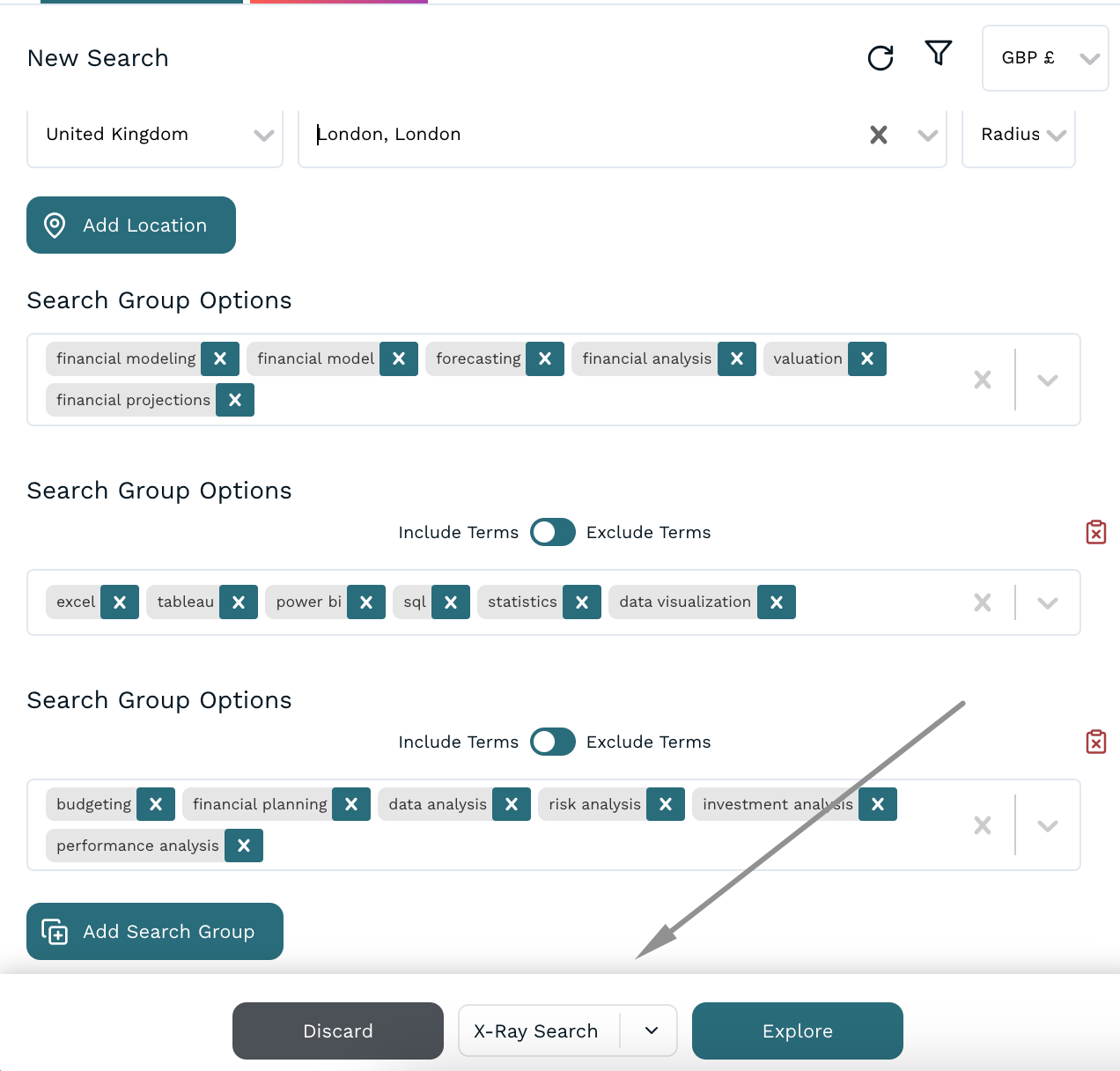
Smarter hiring decisions: Predictive analytics helps you identify which talent will succeed in specific roles by analyzing patterns from your best performers. What characteristics, experiences, and skills do your top salespeople share? Which interview responses correlate with long-term success? Horsefly Analytics' X-Ray Search functionality allows you to find the talent behind the HR data - ideal for when you’re chasing those niche, hard-to-find skills. Discover more about how this could help you and to discuss your needs in more detail.
Allows you to find the talent behind the data - ideal for when you’re chasing those niche, hard-to-find skills.
Retention strategies that actually work: Employee turnover is expensive, typically costing 50-200% of an employee's annual salary when you factor in recruiting, onboarding, and lost productivity (SHRM). Predictive analytics identifies which employees are at risk of leaving before they've even updated their LinkedIn profile.
By analyzing factors like engagement scores, salary progression, time since last promotion, manager relationships, and workload, algorithms can flag individuals who match historical patterns of departures. This gives you time to intervene with retention strategies that address the actual issues, not generic solutions.
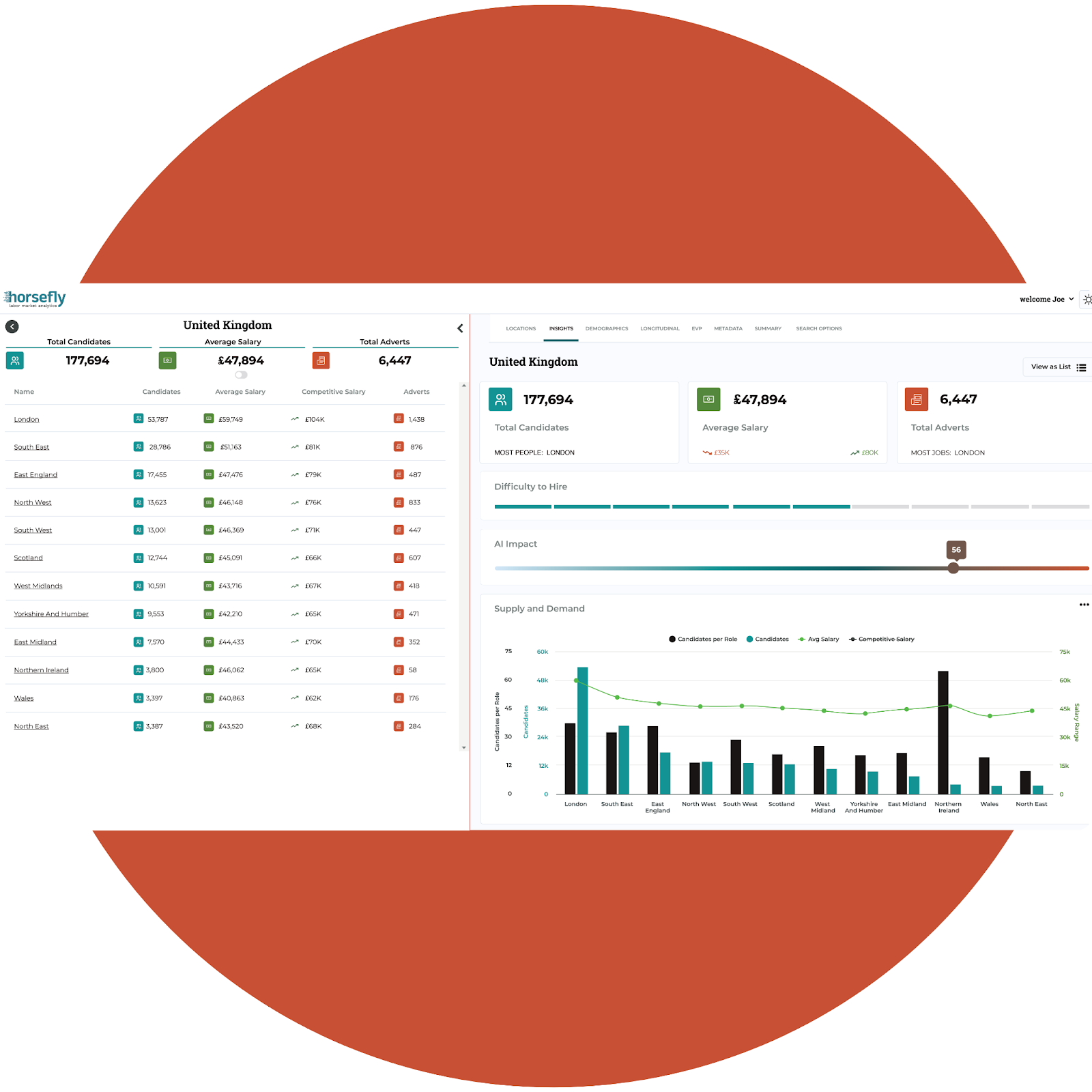
Workforce planning that sees around corners: How many data scientists will you need next year? What about the year after? Predictive analytics combines your internal data with external labor market intelligence, meaning you’re best placed for looking at all areas of hiring - retention, reskilling, resizing - all based on role requirement changes, as you’ll have a better understanding of how roles could be impacted by AI and Difficulty-of-Hire. Horsefly's Talent Intelligence Platform provides real-time insights into labor market trends, skills availability, and competitive hiring landscapes.
Boosting employee engagement where it matters: Not all engagement initiatives deliver equal returns. Predictive analytics identifies which factors drive engagement for different employee segments as part of an effective HR strategy. Perhaps flexible working arrangements matter most to your tech team, while your sales team values recognition programs.
By analyzing engagement survey data alongside performance metrics and retention rates, you can pinpoint which investments will generate the biggest impact and allocate your resources accordingly.
Performance management insights: Why do some team members consistently outperform others? Predictive analytics can identify the patterns that separate your stars from average performers. Is it specific skills? Certain types of experience? Particular working styles or collaboration patterns?
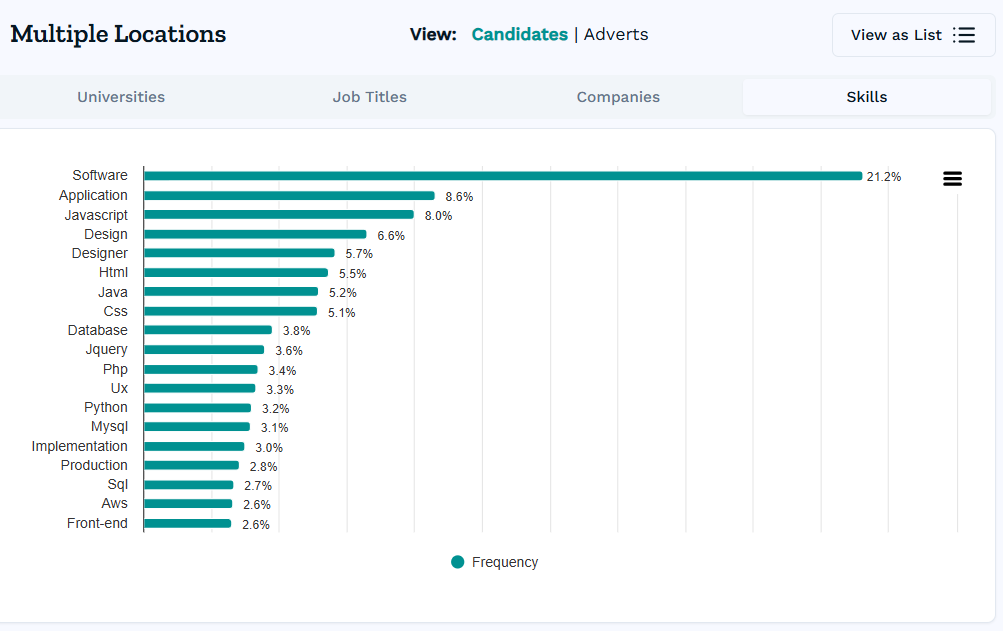
Understanding these patterns helps you make better promotion decisions, design more effective development programs, and replicate success across your organization.
Benefits of Workforce Predictive Analytics
The benefits go far beyond having interesting data to discuss in executive meetings. Here's what organizations are actually achieving:
Better business decisions, faster: When you can accurately predict outcomes, decision-making becomes significantly more confident and efficient. Should you invest in upskilling your current workforce or hire externally? Predictive analytics shows you the probable ROI of each option. Business leaders can make strategic choices backed by data rather than intuition alone.
Serious cost reduction: Companies using predictive analytics for turnover prevention report cost savings of up to 50% on replacement costs (TechClass). But the savings extend further. Better hiring decisions reduce mis-hires and their associated costs. More accurate workforce planning prevents expensive last-minute recruiting or consultant fees. Targeted engagement initiatives deliver results without wasting resources on programs that don't move the needle.
Revenue growth: The connection between workforce analytics and revenue might seem indirect, but it's real. Best Buy discovered that a 0.1% increase in employee engagement correlated with over $100,000 in additional annual revenue per store (AIHR). When you can predict and optimize the factors that drive employee performance, you directly impact your bottom line. Better performers deliver better customer experiences, which drives revenue growth.
Enhanced employee experience: Nobody enjoys working for an organization that treats them as an interchangeable resource. Predictive people analytics enables personalization at scale. You can identify when someone's ready for new challenges before they become bored. You can spot burnout risk and intervene with support. You can match people with opportunities that align with their career aspirations. This creates a more human workplace, ironically through better use of technology and data.
HR as a strategic partner: For years, HR has sought a seat at the strategic table. Predictive analytics makes it happen by giving HR professionals the same types of insights and forecasting capabilities that finance and operations have long enjoyed. When you can quantify the business impact of people decisions and predict future workforce scenarios, you become indispensable to strategic planning.
Real-World Examples and Case Studies
Theory is interesting, but results matter. Here's how leading organizations are using Horsefly’s predictive workforce analytics:
Ørsted's $40 million workforce planning transformation: The renewable energy powerhouse used predictive analytics to identify locations offering 60-70% salary cost reduction potential for 200-300 annual hires, achieving $40 million in cost savings through strategic workforce planning. Their approach transformed workforce planning by enabling real-time collaboration between HR and line managers. During calls, they'd build searches together in the platform, examining where specific skills existed in markets like Texas. This eliminated debates about recommendations and turned workforce planning from assumptions into data-driven partnership.
Serocor's competitive edge through data differentiation: The staffing giant improved their win ratio from 60% to over 80% by making talent analytics central to their bidding process. Instead of competing on price alone, they used market intelligence to demonstrate deep client understanding before winning contracts. Their ability to answer complex workforce questions within minutes rather than weeks became their key differentiator, while quarterly market reports positioned them as thought leaders rather than just another recruitment vendor.
For more real-world examples or to understand workforce trends in your industry, get in touch.
Implementing Predictive Workforce Analytics Software: A Step-by-Step Guide
Ready to get started? Here's your roadmap:
Start with data collection and preparation: You need quality data before you can generate quality insights. Gather information from your HRIS, performance management systems, engagement surveys, exit interviews, recruiting data, and any other relevant sources. This data needs to be cleaned, standardized, and organized. Missing or inaccurate information will undermine your predictions, so invest time in getting this foundation right.
Define your specific business questions: Don't just collect data and hope insights magically appear. Start with concrete questions you want to answer: What factors predict turnover in our sales team? Which skills will we need most in the next two years? What characteristics define our highest performers? Clear questions guide your analysis and ensure your insights are actionable.
Select appropriate algorithms and techniques: Different questions require different analytical approaches. Regression analysis works well for understanding relationships between variables. Decision trees help visualize complex paths to make data-driven decisions. Machine learning algorithms can identify patterns too subtle for traditional statistics. You might need data science expertise here, either internal resources or external partners who understand both HR and analytics.
Integrate with existing systems: Your predictive analytics solution could also connect with your HRIS platform and other workforce systems to access data and deliver insights where they're needed. Horsefly Analytics can be integrated with major HRIS platforms/ATS/internal dashboards, ensuring your labor market intelligence and predictive insights flow seamlessly into your existing workflows. Look for solutions that work with your current technology stack rather than requiring a complete overhaul.
Test, measure, and refine: Start with pilot programs in specific departments or for specific use cases. Measure the accuracy of your predictions against actual business outcomes. If the model predicts 20 people will leave next quarter and 18 actually do, that's pretty good. If it predicts 20 but only 5 leave, something's wrong with your model. Use these results to refine your algorithms and improve accuracy over time.
Scale what works: Once you've proven the value with initial use cases, expand to other areas of the business. Share success stories internally to build buy-in and demonstrate ROI.
Challenges, Ethical Considerations, and Potential Biases
Predictive analytics is powerful, but it comes with responsibilities. Horsefly Analytics uses anonymized data, giving you a holistic view by combining both your internal data with our external data - providing insights on AI impact, difficulty of hire, compensation, supply and demand and longitudinal data, amongst other areas.
There may be companies that use non-anonymized data, so let's address the concerns you should be thinking about:
Data privacy and security: You're working with sensitive personal information. GDPR (General Data Protection Regulation), CCPA (California Consumer Privacy Act), and other privacy regulations set strict requirements for how you collect, store, and use employee data. Ensure you have proper consent, secure storage, and clear policies about who can access what information. Employees should understand what data you're collecting and how you're using it. Transparency builds trust.
Avoiding misinterpretation: Data tells stories, but sometimes we read the wrong story. Just because two things correlate doesn't mean one causes the other. Employees who work late might be high performers, or they might be struggling with workload or inefficiency. Predictive models identify patterns, but humans need to interpret them wisely. Always question your assumptions and look for alternative explanations.
Data accuracy and completeness: If your data is incomplete, outdated, or biased in its collection, your predictions will be flawed. Regular data audits are essential. Are all employee groups represented fairly in your data? Are you capturing the full picture or just the easiest metrics to measure?
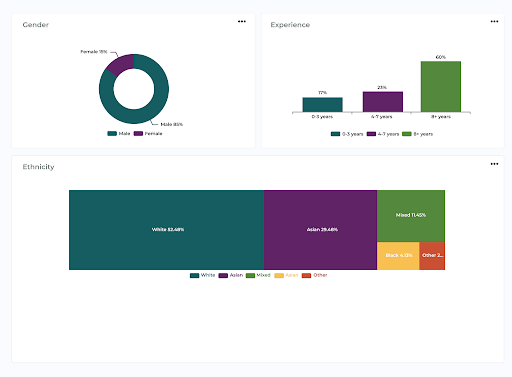
Algorithmic bias: This is perhaps the most serious concern. If your historical data reflects past biases in hiring or promotion decisions, your predictive models will learn and perpetuate those biases. If your company historically promoted more men to leadership roles, an algorithm might incorrectly learn that being male predicts leadership potential.
You must actively test for bias, use diverse training data, and regularly audit your models for discriminatory patterns to ensure fair performance reviews. Consider having diverse teams review your algorithms and their outputs.
The self-fulfilling prophecy problem: If you tell a manager that an employee is likely to leave, that manager might unconsciously treat them differently, which could actually cause them to leave. Be thoughtful about how you communicate predictions and what actions you recommend.
Human judgment still matters: Predictive analytics should inform decisions, not make them. A model might flag someone as a flight risk, but a conversation with their manager might reveal they're actually very committed and just going through a temporary rough patch. Technology augments human judgment, it doesn't replace it.
Selecting the Right Predictive Analytics Tools and Platforms
Choosing the right platform can make or break your predictive analytics initiative. Here's what to look for:
Comprehensive data integration: Your platform needs to pull data from multiple sources and combine it coherently. Look for pre-built integrations with major HRIS platforms, ATS systems, and engagement tools.
User-friendly interface: Not everyone on your HR team is a data scientist, nor should they need to be. The best platforms provide sophisticated analytics with intuitive interfaces that non-technical users can navigate.
External labor market data: Your internal data tells half the story. Platforms like Horsefly Analytics combine your workforce data with real-time external talent market intelligence, giving you context about competitive hiring landscapes, skills availability, salary benchmarks, and emerging talent trends.
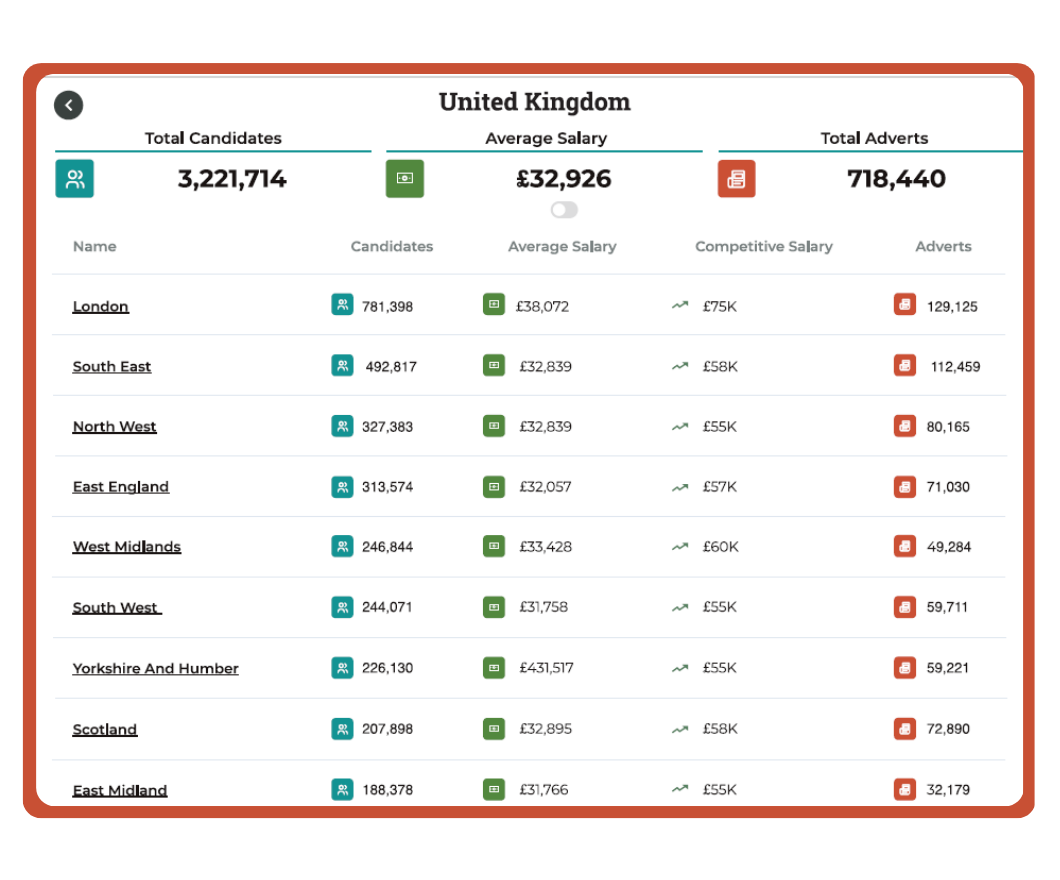
Customization and flexibility: Every organization is unique. Your platform should allow you to customize models, reports, and dashboards to reflect your specific business needs and questions.
Proven accuracy: Ask potential vendors for case studies and accuracy metrics. How well do their predictions match actual outcomes? Can they demonstrate ROI from existing customers?
Ethical AI practices: Ensure the vendor takes algorithmic bias seriously. What testing do they do? How do they ensure fairness? Do they provide transparency into how their models make predictions?
Support and training: Implementation is just the beginning. Look for vendors who provide ongoing support, training resources, and regular updates as the technology evolves.
Change Management: A Guide to Implementing Predictive Workforce Analytics
Technology is the easy part. People and processes are where implementations often stumble. Here's how to manage the change effectively:
Establish clear objectives aligned with business goals: Don't implement predictive analytics because it sounds good. Tie it to specific business objectives like reducing turnover by 15%, improving quality of hire, or optimizing workforce costs. Clear goals create accountability and make it easier to demonstrate value.
Communicate early and transparently: People fear what they don't understand. Explain what predictive analytics is, why you're implementing it, how it will be used, and crucially, how it won't be used. Address concerns about surveillance or algorithmic decision-making head-on. Regular updates build trust and reduce resistance.
Train managers and HR teams thoroughly: Your managers need to understand how to interpret predictions and what actions to take. Create training programs that cover both the technical aspects and the ethical considerations. Practice scenarios help people develop confidence in using the insights appropriately.
Start with quick wins: Identify use cases where you can demonstrate value quickly. Maybe it's predicting turnover in one department or optimizing hiring for a specific role. Early successes build momentum and credibility for broader rollout.
Gather feedback and iterate: Create feedback channels where employees and managers can share their experiences, concerns, and suggestions. Use this input to refine your approach. The best implementations evolve based on user input and employee engagement etc. rather than following a rigid plan.
Celebrate and share success stories: When predictive analytics helps you retain a key employee, make a great hire, or improve team performance, share those stories. Success stories turn skeptics into advocates and demonstrate the human benefits behind the data.
Taking Your First Steps
Predictive workforce analytics isn't just for tech giants with unlimited budgets and armies of data scientists. Organizations of all sizes are using these tools to make smarter people decisions and build more resilient, effective workforces.
The key is starting with clear questions, quality data, and a commitment to using insights ethically and effectively. Then follow some guidelines so you’re on the right path:
-
Begin by gathering your historical employee data and identifying one or two specific business challenges you want to address.
-
Analyze your data to uncover patterns and trends.
-
Create predictive models using appropriate algorithms and statistical techniques.
-
Use those models and data to forecast future employee behavior and workforce needs.
-
Implement targeted strategies to address potential issues before they become problems.
-
Measure your engagement and performance outcomes.
-
Refine your approach based on what works.
As labor markets become more competitive and employee expectations continue evolving, the organizations that thrive will be those that can anticipate change rather than just react to it. Workforce predictive analytics gives you that capability.
Ready to see how accurate workforce insights can transform your people strategy? Explore how Horsefly Analytics combines predictive capabilities with real-time talent market intelligence to give you a complete view of the workforce, today and tomorrow. Contact us today to book a strategy session.
Sources - Horsefly Analytics, SHRM, TechClass, AIHR