.png?width=2000&name=Horsefly-Logo-NewTag_White%20(3).png)
Strategic workforce planning is the process of making sure your organization has the people it needs to hit its business goals - not just today, but tomorrow too. It's about looking at your current workforce, figuring out what's coming down the line, and bridging the gap between the two.
The best workforce plans don't exist in a vacuum. They're tied directly to business strategy. If your company's planning to expand into new markets, launch new products, or adopt emerging technologies, your workforce plan should reflect that. It's not just an HR exercise - it's a business-critical function.
A solid strategic workforce plan includes a few key components:
-
Understanding your current workforce: Who do you have, what skills do they bring, and where are the strengths and weaknesses?
-
Forecasting future needs: What roles and skills will you need based on business plans, strategic goals, industry trends, and market shifts?
-
Identifying gaps: Where's the mismatch between what you've got and what you'll need?
-
Building an action plan: How will you close those gaps through hiring, upskilling, reskilling, or restructuring?
The trick is starting from your top-level organizational strategy and working down from there. If you're building a workforce plan that's disconnected from where the business is heading, you're setting yourself up for trouble.
Benefits of Implementing Strategic Workforce Planning Tools
Workforce planning tools aren't just nice to have - they're game-changers when it comes to making data-driven decisions about your people. Here's why they matter:
Cost Savings Through Optimized Resource Allocation
When you know exactly what you need and where you need it, you stop wasting money on rushed hires, overstaffed teams, or roles that don't move the needle. Using the best workforce planning software can help you allocate resources where they'll have the biggest impact, cutting unnecessary spend and making every hire count.
Good talent management can create unrivalled cost-savings when businesses see the importance. “Forward-thinking organizations understand that talent management is a critical component of business success. S&P 500 companies that excel at maximizing their return on talent generate an astonishing 300 percent more revenue per employee compared with the median firm, McKinsey research shows.”
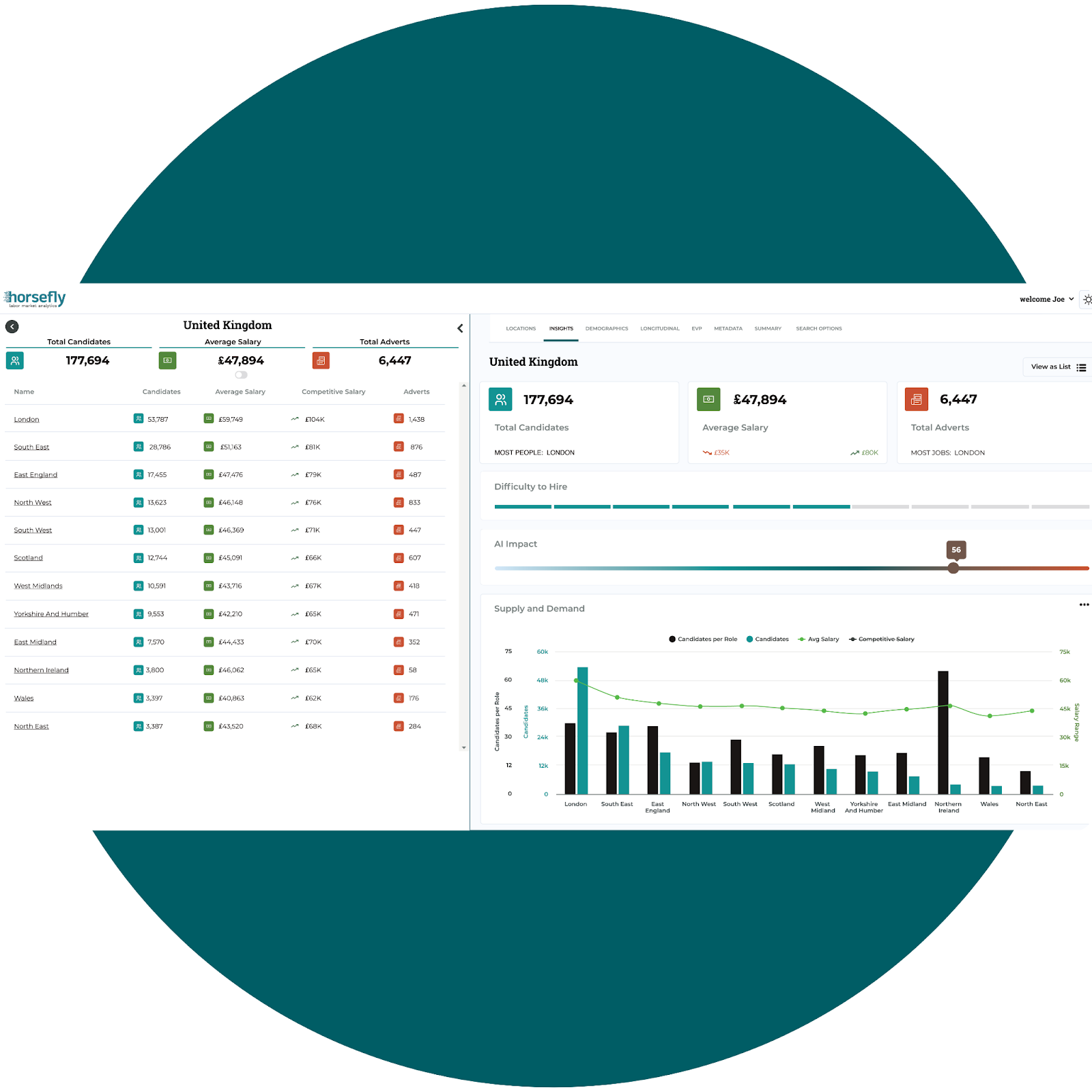
Platforms like Horsefly give you real-time access to millions of social profiles across 170,000 towns and cities in 65 countries, so you're working with live data - not last year's guesses. That means you can see exactly where the talent is located, what skills are available, and how competitive the market is before you commit budget or make hiring decisions. To see it in action and how it can help your business, get in touch today for more expert guidance.
Improved Talent Management and Retention Strategies
Good tools give you the visibility to spot talent risks before people walk out the door. They help you understand who's ready for the next step, where you need succession plans, and which skills gaps are putting strain on your existing team. When you're proactive about development and internal mobility, retention goes up.
Increased Productivity and Efficiency
According to CIPD, there are seven “rights” to consider with strategic workforce planning: “the right people, with the right skills, in the right roles, with the right shape, in the right place, at the right time and the right cost” and if you have these, then you’re prepared to tackle business challenges head-on.
Workforce planning tools help you match talent to tasks more effectively, reducing bottlenecks and ensuring your team can actually deliver on what's expected of them.
Enhanced Ability to Meet DE&I Goals
Diversity, equity, and inclusion aren't just buzzwords - they're business imperatives. The right tools give you clear data on where representation gaps sit, what the available talent pool looks like by gender and background, and how to set realistic, achievable targets based on market availability rather than wishful thinking.
Effective Risk Mitigation Strategies
Markets shift. Economies wobble. Technologies disrupt entire industries overnight. Workforce planning tools help you build resilience by modeling different scenarios, understanding where vulnerabilities lie, with contingency planning at the forefront. When things get messy, you're not scrambling - you're prepared.
Key Features to Look for in Strategic Workforce Planning Tools
Not all workforce planning tools are created equal. Here's what to look for when you're evaluating the right workforce planning tools:
HR Analytics and Reporting Capabilities
You need tools that turn raw data into actionable insights. Look for platforms that give you clear, visual dashboards, customizable reports, and the ability to drill down into the details when you need them. If it takes a data science degree to figure out what the tool's telling you, it's not the right fit.
Scenario Planning and Forecasting Features
The future's uncertain, but that doesn't mean you can't prepare for it. The best strategic workforce planning software lets you model different scenarios - what happens if you expand into a new market? What if a recession hits? What if a key technology becomes obsolete? Scenario planning helps you stress-test your strategies and build flexibility into your plans.
Skills Gap Analysis Tools
Skills are the currency of modern work. The best tools help you understand what skills your enterprise has today, what you'll need tomorrow, and where the gaps are. Even better if they can identify transferable skills and alternative talent pools you might not have considered.
Integration with HRIS and Other Systems
Your workforce planning tool shouldn't exist in isolation. It needs to play nicely with your HRIS, payroll systems, learning management platforms, and anything else in your HR software tech stack. Seamless integration means better data, less manual work, and fewer headaches; it’s all about workforce optimization.
9-Box Grid Functionality
The 9-box grid is a classic talent management tool for assessing performance and potential. Look for platforms that make it easy to visualize where your people sit on the grid, identify high-potentials, and spot succession planning gaps.
Compensation and Benefits Analysis
Pay matters. A lot. The right tools give you accurate salary benchmarking data so you know what it actually takes to attract and retain the talent you need. They help you stay competitive without blowing your budget on every single role.
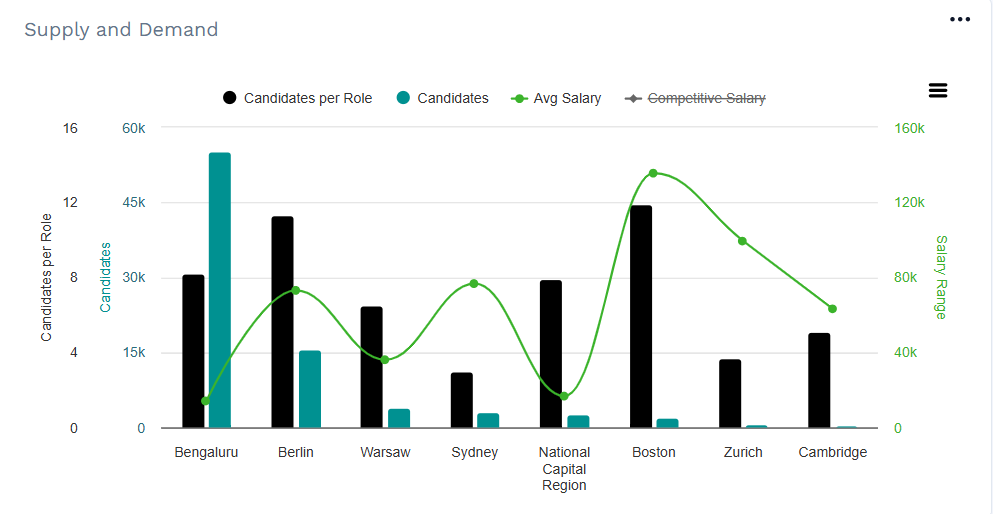
Horsefly, for example, combines supply and demand analytics with salary benchmarking, diversity insights, and AI-powered skills mapping - all in one platform. You get a Difficulty-of-Hire score that tells you which roles will be awkward to fill, heat maps showing you where talent actually lives, and compensation data to make sure you're competitive without overpaying. You get the expert guidance you need to help your business run the best way it can. Contact us to schedule a custom consultation and find out the difference it can make for you and your organization’s workforce strategy plans.
Choosing the Right Tool: A Step-by-Step Guide
Ready to pick a tool? Here's how to approach it:
Assessing Your Organization's Needs and Workforce Requirements
Start by getting clear on what you're trying to solve by assessing your current workforce structure. Are you struggling with high turnover? Finding it impossible to fill certain roles for your future staffing needs? Not sure where to expand geographically? Your pain points will shape what tools and functionality matter most, and so too will identifying any gaps between your current workforce and your needs in response to future demand.
Talk to stakeholders across the business - not just HR, but Finance, Operations, and Leadership too. What do they need from a workforce capacity planning perspective? What decisions are they trying to make? The more input you gather, the better your requirements will be.
Evaluating Different Tools Based on Your Needs
Once you know what you're looking for, it's time to compare options. Don't just take vendors at their word - ask for demos, request case studies from similar organizations, and get hands-on with the platform if you can. Pay attention to usability. Think about making employee life as productive as possible - if it's a nightmare to navigate, your team won't use it.
Look at things like:
-
Data quality and coverage: Does the tool have accurate, up-to-date workforce data for the markets and roles you care about?
-
Ease of use: Can your team actually figure it out without a PhD in data science?
-
Customization: Can you tailor it to your specific needs? You don’t want to be stuck with one-size-fits-all workforce planning solutions.
-
Support and training: What happens when things go wrong? Is there a real person you can talk to?
Considering the ROI of Implementing a Particular Tool
Let's be honest: the best workforce planning tools aren't cheap. But if you pick the right one, the ROI should be clear. Think about the cost of bad hires, the time wasted on manual workforce planning, the productivity lost when you're understaffed or overstaffed, and the competitive advantage of being able to move faster than your rivals.
To quantify ROI, consider metrics like:
-
Time saved on manual analysis and reporting
-
Cost per hire reduction through better targeting and market intelligence
-
Turnover reduction from improved retention strategies
-
Productivity gains from better resource allocation
Addressing Data Privacy and Algorithmic Bias Concerns
Workforce planning tools rely on data - lots of it. Make sure any tool you're considering takes data privacy seriously. Look for compliance with regulations like GDPR, clear data governance policies, and transparency about how data is collected and used.
Algorithmic bias is another real concern. If a tool's recommendations are based on historical data that reflects existing inequalities, it'll just perpetuate them. Ask vendors how they address bias in their algorithms, what steps they take to ensure fairness, and whether they audit their systems for discriminatory patterns.
How Strategic Workforce Planning Tools Help with Talent Management and Retention
The connection between workforce planning and talent management is tight. When you've got visibility into your workforce analytics - who's performing well, who's ready for the next step, where the skills gaps are - you can be proactive about development, succession planning, and internal mobility.
Good tools help you spot flight risks before they become resignations. They give you data on compensation competitiveness, workload distribution, and career progression, allowing you to analyse issues before people start looking elsewhere.
They also help you make smarter decisions about upskilling and reskilling. If you know which skills are going to be critical in two years, you can start building them in your existing workforce now rather than scrambling to hire externally later.
And when it comes to diversity and inclusion, workforce planning tools give you the data to set meaningful targets, track progress, and hold yourselves accountable. You can see where representation gaps exist, benchmark against the available talent pool, and build strategies that actually move the needle.
Make Smarter Decisions with the Right Tools
Effective workforce planning isn't about predicting the future - it's about being ready for it. The right tools give you the data, insights, and confidence to make better decisions about your people, whether you're hiring, restructuring, expanding, or weathering a storm.
Take the time to assess your needs, evaluate your options, and choose a tool that actually fits your organization - highlighting the benefits of workforce planning. And remember: the best tool in the world won't do much if nobody uses it to enhance the workforce planning process. Make sure whatever you pick is something your team will actually engage with.
Ready to see how Horsefly can help you take the guesswork out of your talent and location strategies? Get in touch to book a strategy session and see what real-time, accurate workforce intelligence can do for your business.
Sources - Horsefly Analytics, CIPD, McKinsey