.png?width=2000&name=Horsefly-Logo-NewTag_White%20(3).png)
The business case for the benefits of RPO services is not just theoretical. Here is what organizations actually gain.
Lower costs, measurable efficiency. Reduced time-to-hire and lower cost-per-hire are the headline wins. RPO providers bring economies of scale, optimized sourcing methods, and recruitment technology that would cost significantly more to build internally. Organizations consistently report meaningful reductions in agency spend after moving to an RPO model.
Access to better intelligence. RPO providers work across industries and geographies, which means they see the talent market in ways your internal team simply cannot. Paired with a platform like Horsefly, which draws on over 1 trillion data points across 65 countries and 170,000 locations, that market intelligence becomes a genuine competitive advantage. You are not just posting jobs into the void. You are making accurate, evidence-based decisions about where to source talent, what to pay them, and how difficult a role will be to fill before you have wasted time finding out the hard way.

Improved quality of hire. Better sourcing methods, structured screening, and consistent processes lead to better hires. RPO providers are measured on results, which means their incentives are aligned with yours in a way a generalist HR team stretched thin across multiple priorities simply cannot be.
Scalability without the headache. Business needs change. RPO lets you scale hiring up or down without the cost and disruption of growing or shrinking an internal team. Whether you are entering a new market or navigating a hiring freeze, an RPO model adapts with you.
Internal teams get their time back. When recruitment is running efficiently through an RPO partnership, HR leaders can focus on what matters most: culture, retention, workforce planning, and long-term talent strategy. The operational grind is handled. The strategic work gets the attention it deserves.
A good talent acquisition RPO engagement follows a clear, collaborative process. Here is what that typically looks like.
Assessment and strategy. It starts with an honest conversation about where your recruitment is now and where it needs to be. The RPO provider audits your current processes, understands your hiring goals, and builds a recruitment strategy tailored to your organization.
Sourcing and screening. This is where the RPO provider earns its keep. Using advanced sourcing tools, market data, and talent networks to identify and engage the right people. Not just who is available, but who is the right fit. Tools like Horsefly's X-Ray Search Intelligence and Signal Skills capabilities make it possible to move beyond job titles and find talent based on actual skills, validated against real market data.
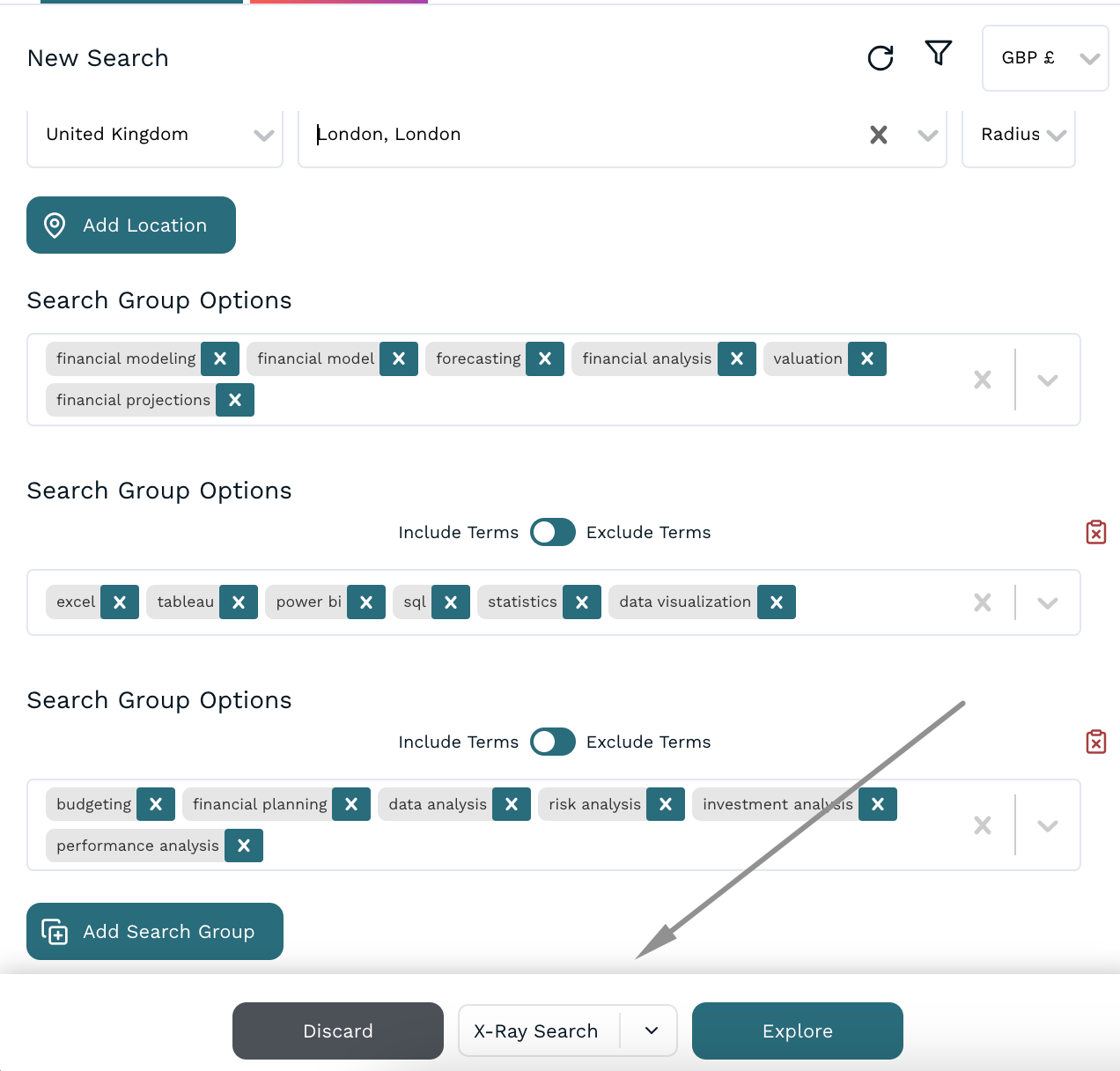
Image shows the X-Ray Search Intelligence capability in the Horsefly platform
Interviewing and talent management. Structured interviews, clear evaluation criteria, and consistent communication throughout. The candidate experience (the overall perception and impression a job seeker has of an employer throughout the entire hiring process, from initial application to onboarding or rejection) matters, and a strong RPO partner knows it. Every interaction with a potential hire reflects on your employer brand.
Offer management and onboarding. Getting someone over the line is only half the job. RPO providers support offer negotiation and onboarding to maximize acceptance rates and set new hires up for success from day one.
Reporting, analytics, and optimization. This is what separates a good RPO partnership from a great one. Ongoing performance data, market benchmarking, and continuous improvement baked into the process. You see exactly how your recruitment is performing and where to improve.
Not all RPO providers are created equal. Here is what to look for.
Industry knowledge. Generic recruitment expertise is a starting point, not a differentiator. You want a provider who understands your sector, your talent market, and the specific challenges you face.
Technology and data capability. Modern RPO runs on data. Look for providers who use accurate labor market intelligence, not gut instinct and outdated job boards. Ask what data sources they use, how current the data is, and how they use it to make decisions.
Cultural alignment. An RPO provider embeds into your organization. Chemistry matters. If they do not understand your values, your brand, or your way of working, even good recruitment can feel off.
Scalability and track record. Can they grow with you? Have they done it before? Case studies and client references are not just nice to have; they are essential.
Questions worth asking: How do you measure quality of hire? What does your reporting look like? How do you handle difficult-to-fill roles in specialist markets? What technology do you use to support sourcing and decision-making?