.png?width=2000&name=Horsefly-Logo-NewTag_White%20(3).png)
A strategy this important deserves more structure than "post the job everywhere and hope." Four pillars tend to separate the organizations that hire well globally from the ones that stumble.
Strategic workforce planning comes first. This means aligning talent acquisition with where the business is actually headed, not just filling today's open roles. Good workforce planning uses data to forecast future needs and flag skill gaps before they become emergencies, rather than after a project stalls because nobody can find the right expertise. Longitudinal intelligence adds a useful layer here, tracking how demand and supply for a role have shifted over time and modeling forward scenarios, so you can see pressure building in a talent market months before it shows up as a hiring problem on your desk.
Global employer branding is next, and it is trickier than it sounds. Your employee value proposition needs to stay consistent enough that it still feels like your company, while flexing enough to actually resonate in Tokyo, Toronto and Tunis. A message that lands well in one market can fall flat, or even backfire, in another. This is where EVP intelligence comes in handy, showing you how other organizations structure their offerings and where market expectations are heading, so your employer brand is built on what talent in that market genuinely values rather than what worked in your home office.
Data and technology form the operational backbone. A solid tech stack, your applicant tracking system and HRIS, matters, but the real advantage comes from labor market analytics: knowing where talent hotspots actually are, what compensation looks like in each market and how competitive the landscape is before you commit resources to it. This is where you need a platform that draws from multiple sources and data points to give you a genuinely global view rather than a handful of anecdotes from a recruiter. Capabilities to show you how difficult a role may be to hire for or a summary that can turn raw data into something a hiring manager can actually act on, flagging which roles will need extra time and effort before you have burned weeks finding that out the hard way, this is the type of functionality you’ll need. Get in touch with Horsefly for expert guidance into the types of data and recruitment technology you can expect from our platform.
Diversity, equity and inclusion rounds out the pillars, and it deserves to be treated as a strategic goal rather than a nice add on. Global hiring naturally broadens the talent pool, but doing it well, with intention and the right data behind it, is what actually drives innovation and keeps your organization relevant in markets you have never operated in before. Horsefly's DEI Insights help you set benchmarks and track progress over time, so diversity planning is grounded in real numbers rather than good intentions alone.
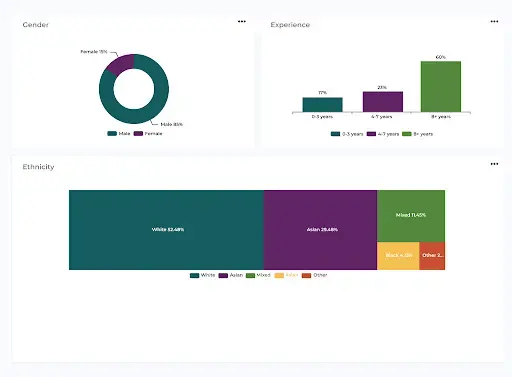
A view of Horsefly’s DEI insights
Navigating Global Hiring Complexities: Common Challenges
Here is where a lot of otherwise sensible strategies fall apart: the details. Global hiring means navigating a genuine maze of labor laws, tax regulations, visa requirements and data privacy rules that change from one border to the next. What is standard practice in the United States can be a compliance violation in Germany, and GDPR alone has tripped up plenty of companies that assumed their existing data handling was good enough. None of this is a reason to avoid global hiring. It is a reason to plan for it properly instead of learning the rules the expensive way.
One risk worth understanding by name is permanent establishment, often shortened to PE risk. In simple terms, hiring someone in a country without the right structure in place can accidentally create a taxable business presence there, with all the obligations that come with it. It is the kind of mistake that looks small until the tax authority disagrees, and by then the fix usually costs far more than getting it right the first time would have.
Then there is culture, which shapes far more of the hiring process than most companies expect. Sourcing channels that work well in the United States may be irrelevant in Southeast Asia. Interview styles that read as confident and direct in one market can come across as brash or even rude in another. Compensation benchmarking and expectations, notice periods and even how offers are typically negotiated all shift by region. A one size fits all approach, the kind that assumes your domestic playbook will simply translate, tends to fail quietly and expensively, usually by losing strong talent to a competitor who bothered to localize.
The practical takeaway is that legal and cultural due diligence belong at the start of your planning, not somewhere in the middle once an offer has already been extended. Building this into your process from day one, using local market data rather than assumptions carried over from headquarters, is what actually protects you from the kind of mistakes that end up in a compliance review.
Choosing Your Global Hiring Model: EOR and Beyond
Once you understand the risks, the next question is how you actually get someone on payroll without setting up a legal entity in every country you hire in. This is where operational models come in, and each one solves the compliance puzzle a little differently.
An employer of record, or EOR, acts as the legal employer on your behalf. It handles payroll, benefits and compliance in the local market, which means you can hire talent in a new country without the time and cost of establishing your own entity there. For many companies testing a new market or hiring a handful of people in a region, this is the fastest and lowest risk path, and it is often the right starting point before you know whether a market is worth a bigger, longer term commitment.
A professional employer organization, or PEO, works a little differently. It typically employs staff jointly alongside you and usually assumes you already have some form of local presence, making it a better fit once you have already established a foothold rather than as your very first move into a new market. Direct contracting is another option, useful for short term or project based work, though it carries its own compliance risks if the relationship starts to look more like employment than a genuine contract arrangement, which is a gray area regulators in several countries have gotten noticeably stricter about.
Each model solves the same underlying problem, the compliance and logistical headache of hiring across borders, but the right choice depends on your timeline, your headcount in that market and how much control you want over the employment relationship itself. None of these models replace the strategic layer this guide is focused on. They simply execute on decisions that should already be grounded in good data about where to hire and why.
Worth a mention here too: if the challenge is less about legal structure and more about internal bandwidth, recruitment process outsourcing is another route worth understanding. An RPO partner takes on some or all of your hiring process, useful alongside an EOR or PEO rather than instead of one, especially when scaling into several markets at once.

A Data Driven Playbook for Global Sourcing and Attraction
Knowing you need to hire globally and knowing where and how to actually do it are two very different things. Here is a practical sequence that turns a broad strategy into an actual plan.
Start by using labor market intelligence to identify countries or cities with a strong concentration of the skills you need, alongside favorable cost structures. This is exactly what supply and demand insights and global heat maps are built for, letting you see talent availability and scarcity across regions and even build visual heat maps of niche skills before you commit budget to a search that may not pay off. Insights into skills adds another useful angle, letting you benchmark your workforce against industry standards and anticipate which skills you will need to be future ready.
Next, analyze local market data to build compensation packages that are both competitive and compliant. Compensation insights benchmark packages against global standards so you are not guessing, and cost of living information helps you tailor offers to what money actually buys in that location, rather than applying a flat global number that overpays in one market and underpays in another.
From there, tailor job descriptions and sourcing channels to local norms rather than copying and pasting your domestic listings. Horsefly's Search Builder Insights, which draw on historic data across specialized industries, help you build skill based searches instead of relying on job titles that mean different things in different markets, so you spend less time refining searches and more time actually talking to talent. X-Ray Search Intelligence takes this further, turning complicated Boolean search strings into something you can build in seconds and test against real profiles before you commit to it, and letting you launch straight into search without juggling half a dozen tools.
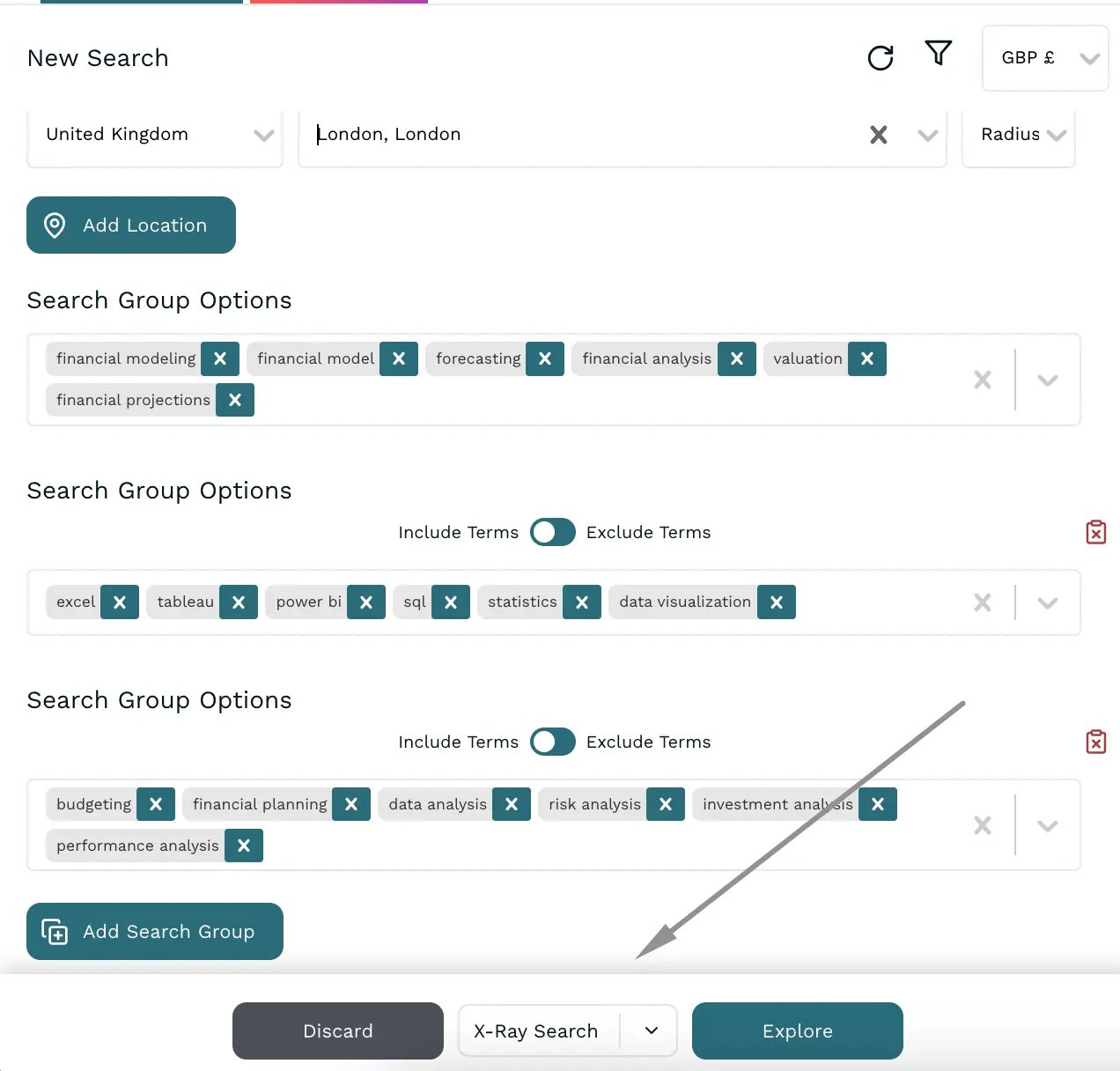
Horsefly’s X-Ray Intelligence
Finally, optimize the experience for every person going through your process, regardless of time zone. Clear communication and a streamlined process matter everywhere, but they matter even more when someone is deciding whether to trust a company they may never have heard of, in a language that might not be their first. This is also where difficulty to hire insights earn their place in the process, letting you set realistic timelines up front instead of promising a hiring manager a role will be filled in three weeks when the data suggests otherwise.
Effective Onboarding and Retention for a Distributed Workforce
Landing the hire is not the finish line. It is closer to the starting gun for the part that actually determines whether the hire was worth it, and it is the part far too many global talent acquisition strategies treat as an afterthought.
Onboarding for international employees needs to cover the practical basics, equipment, system access and paperwork, without treating that as the whole job. Cultural integration matters just as much: buddy systems, cross cultural training and simply making sure a new hire in Manila does not feel like an afterthought compared to the team at headquarters. Small things compound quickly here. A new hire needs to get a feel for the company culture, so if they’re spending their first two weeks waiting on a laptop or unsure who to ask a basic question forms an opinion of your company that is hard to reverse later.
Retention over the long term comes down to a few consistent things: benefits that feel genuinely equitable rather than a diluted version of what headquarters gets, inclusive communication practices that are considerate of different time zones and languages, and clear career paths that do not quietly assume advancement only happens for people who work in the same building as leadership. It is worth revisiting your EVP regularly here too, since what talent valued in a market two years ago may not be what keeps them today, and the companies paying attention to that shift tend to be the ones with the strongest employee retention numbers to show for it.
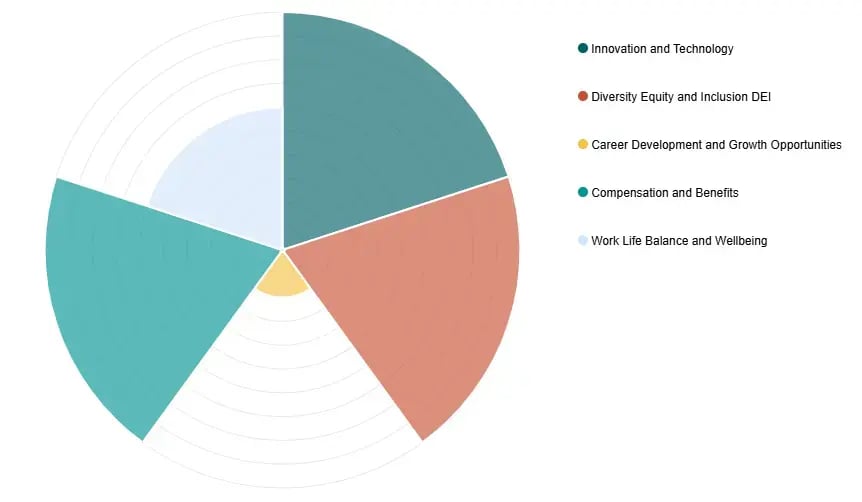
How the EVP functionality looks in the Horsefly platform
Companies that get this right tend to see it show up directly in retention numbers for their international hiring, which is exactly the kind of thing worth tracking, and exactly what the next section covers.
Measuring Success: KPIs and ROI for Global Talent Acquisition
Time to hire is the metric everyone defaults to, and it is fine as far as it goes, but it tells you almost nothing about whether your global talent acquisition strategy is actually working. A handful of other metrics matter more, and most of them require a bit more effort to track than a single dashboard number.
Cost per hire by region shows you where your strategy is genuinely efficient and where it is quietly bleeding budget on markets that looked promising on paper but never delivered. Diversity of the talent pool shows whether your sourcing is actually reaching the broader base you set out to reach, as part of your location planning, rather than just the same networks in a new location. Retention rate of international hires tells you whether the onboarding and culture work covered above is actually landing. And access to new skills, admittedly harder to quantify on a spreadsheet, is often the whole point of going global in the first place, so it deserves a seat at the table even when it resists a tidy number.
For ROI, a simple framework looks at three things together: reduced labor costs from hiring in markets with a lower cost of living, increased revenue from entering a new market faster than competitors who are still setting up a local entity, and the harder to price but very real innovation value that comes from a genuinely diverse and global workforce. None of these numbers mean much in isolation, which is why workforce analytics that connect hiring data to business outcomes, rather than sitting in a separate spreadsheet somewhere, tend to be what actually convinces a CFO that global recruitment is worth the continued investment. Horsefly's Summary Tab Intelligence is built with exactly this in mind, giving you context aware recommendations tied to your actual search rather than a generic dashboard everyone else is also staring at.
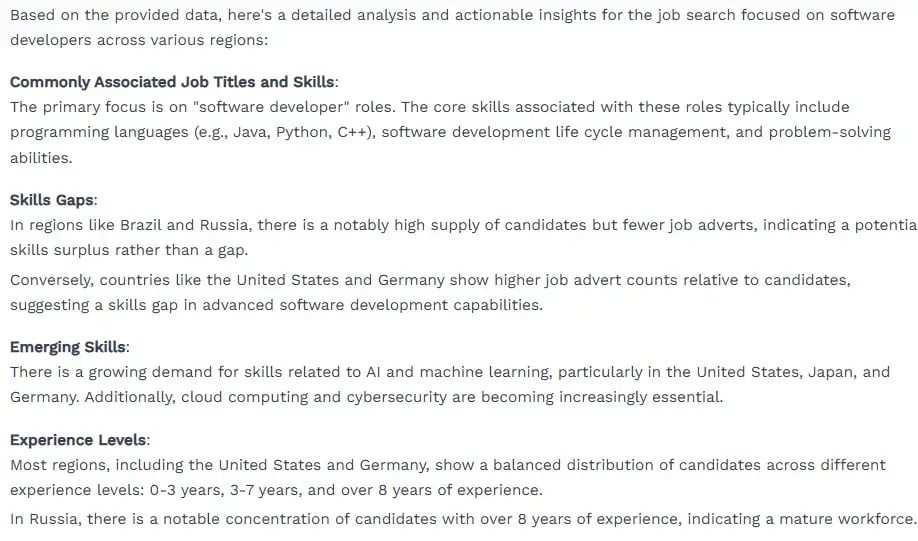
A snapshot of how the Summary Tab works in the Horsefly Platform
The Future of Work Is Global: Trends and Ethical Considerations
A few shifts are worth watching. Remote first policies are no longer a pandemic era exception, they are simply how a growing number of companies operate by default. AI is reshaping sourcing, from surfacing talent pools that traditional searches miss to flagging skills that are rising in demand before they show up in job postings everywhere. Horsefly's AI Impact Analysis and Signal Skills Intelligence exist for exactly this reason, giving you a data backed view of how roles and skill demand are shifting instead of a guess, so you can plan training and development around where the market is heading rather than where it already stood last year. And skills based hiring is steadily overtaking credential based hiring, since a degree tells you less about what someone can actually do than most hiring managers would like to admit.

A view of the AI Impact capability from Horsefly
There is also an ethical dimension worth naming honestly, since it rarely gets the attention it deserves. Global hiring done carelessly can contribute to brain drain, pulling skilled talent out of developing economies without giving much back. Done well, it means fair labor practices, wages that respect local markets rather than exploiting them, and a genuine contribution to the communities you are hiring from, not just extraction from them. Companies that think this through tend to build stronger employer brands as a result, since talent everywhere is increasingly paying attention to how a company actually behaves, not just what it says in a careers page.
A global talent acquisition strategy, done properly, is not about chasing the cheapest hire in the furthest market. It is about making smarter decisions with better data, decisions grounded in where talent actually is, what it actually costs and what actually keeps people around once you have hired them. That is the intelligence layer Horsefly is built to provide, drawing on unique taxonomy covering 815,000 job titles and skills across 39 languages and coverage spanning 170,000 towns and cities in 65 countries, so you are working from the full picture rather than a partial one. Contact us for a strategic consultation, to find out how our data and insights can help you.
Sources: Horsefly Analytics, GDPR